
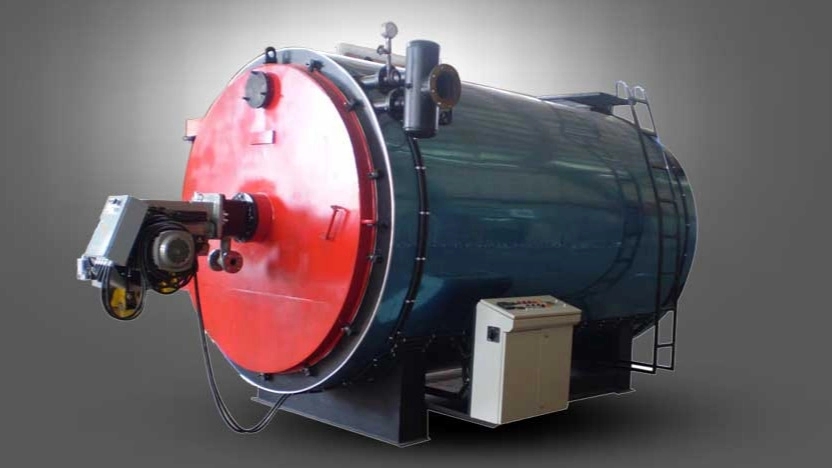
- Heat transfer at temperatures over 350 degrees Centigrade
- The pressure does not increase as the temperature increases.
- It does not cause deposits and cracks in the installation area.
- It is much more safe than boilers. It has water vapor.
- It is possible to adjust the temperature.
- The boiler does not have calcification problems. and does not crack.
- No need for ventilation for oil.
- Possibility of using several types of fuel for the burner
- Reduced pumping cost
- Using refractory steels in the thermal path separators inside the coils
- Easy maintenance and operation
The use of hot oil boiler
In industry there has always been a problem to heat materials directly; Some materials that can be used by themselves will cause a fire if we put them in front of a direct flame. To solve this problem, the craftsmen and engineers turned to making a tool called a hot oil boiler so that the materials can be heated indirectly. use water; But this method was not very useful for materials such as oil and other fluids similar to oil because the water boiler could not raise the boiling point very high.
Also, one of the other problems of the steam boiler is the need for high pressure. For this reason, one of the most important advantages of hot oil boilers is having a high boiling point, so that these systems can indirectly transfer heat to the materials inside the boiler up to a temperature above 350 degrees Celsius. Other applications of hot oil boilers include providing heat at high temperature and low pressure, which makes these systems popular and used in various industries such as bitumen, wood, textile, food, chemical, Leather, cement and engine oil.
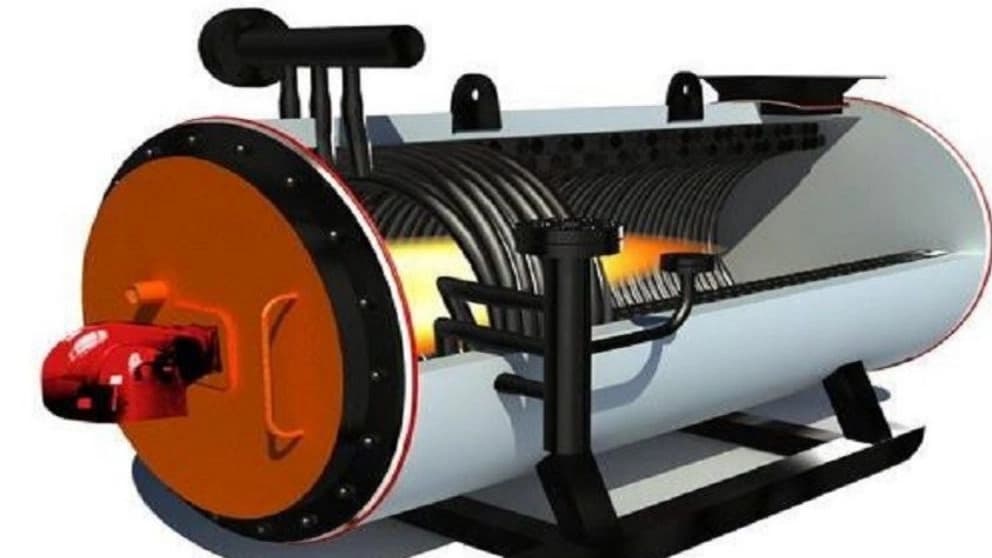
The benefits of hot oil boiler
Hot oil boilers have many advantages over other boilers in the industry, and the existence of these advantages has made this type of system popular. Some of the advantages we can mention include the following: